What Is Self-Medication With Antibiotics?
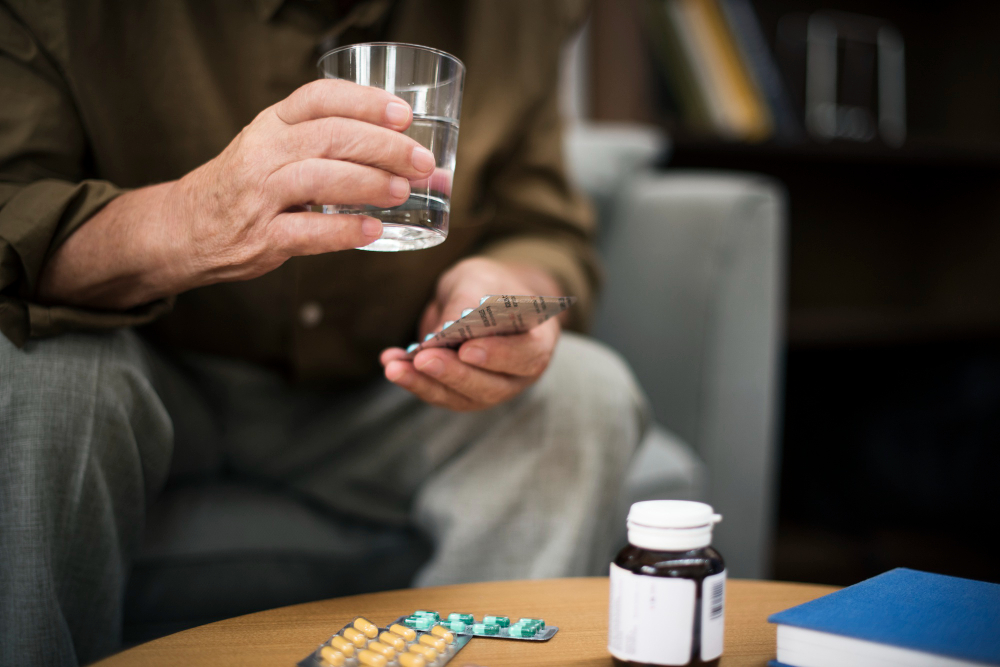
Self-medication with antibiotics means giving these medicines to children without a doctor’s advice. Often, parents use leftover pills or buy them without a prescription. In many places, this is common. However, it is not safe. The risks of self-medicating children with antibiotics are serious. Antibiotics are strong drugs that fight bacteria, not viruses. For example, they do not help with colds or the flu. When used the wrong way, antibiotics can cause harm instead of healing.
Common Reasons for Self-Medicating Children
Many parents want their children to feel better quickly. As a result, they may give antibiotics without seeing a doctor. Some common reasons include:
Still, it is important to remember that not all illnesses need antibiotics. In fact, most childhood illnesses are caused by viruses, not bacteria.
Dangers and Risks of Taking Antibiotics Without a Prescription
Taking antibiotics without a prescription can be dangerous for children. First, the medicine may not work if the illness is not caused by bacteria. Second, the wrong dose or type can cause side effects. For instance, children may develop rashes, stomach pain, or even severe allergic reactions. Furthermore, antibiotic misuse in pediatrics can mask serious illnesses, making them harder to treat later. Over time, these risks can lead to bigger health problems for both the child and the community.
How Antibiotic Resistance Develops
When antibiotics are used too often or in the wrong way, bacteria can change. As a result, these bacteria become stronger and harder to kill. This process is called antibiotic resistance. According to the World Health Organization, antibiotic resistance is a global health threat. Resistant bacteria can spread to others, making common infections much harder to treat. Because of this, even simple cuts or sore throats may become dangerous over time.
Recognizing When Antibiotics Are Needed
Not every illness needs antibiotics. For example, most coughs, colds, and sore throats are caused by viruses. Only a doctor can decide if your child needs antibiotics. Signs that may require medical attention include:
Even then, a doctor may do tests to check if bacteria are the cause. Therefore, always talk to a healthcare provider before giving antibiotics.
Safe Practices and Alternatives to Self-Medication
Instead of self-medicating, there are safer ways to care for your child. For mild illnesses, you can:
Additionally, always finish any antibiotic course if prescribed. Never share antibiotics with others. If you are unsure, ask your doctor or pharmacist for advice.
Prevention: Educating Families and Communities
Education is key to stopping antibiotic misuse in pediatrics. Families and communities should learn about the dangers of antibiotics without prescription. For example, schools and clinics can share information about safe medicine use. Community health workers can answer questions and provide support. Moreover, parents should feel comfortable asking doctors when antibiotics are truly needed. By working together, we can protect children’s health and slow the spread of antibiotic resistance.