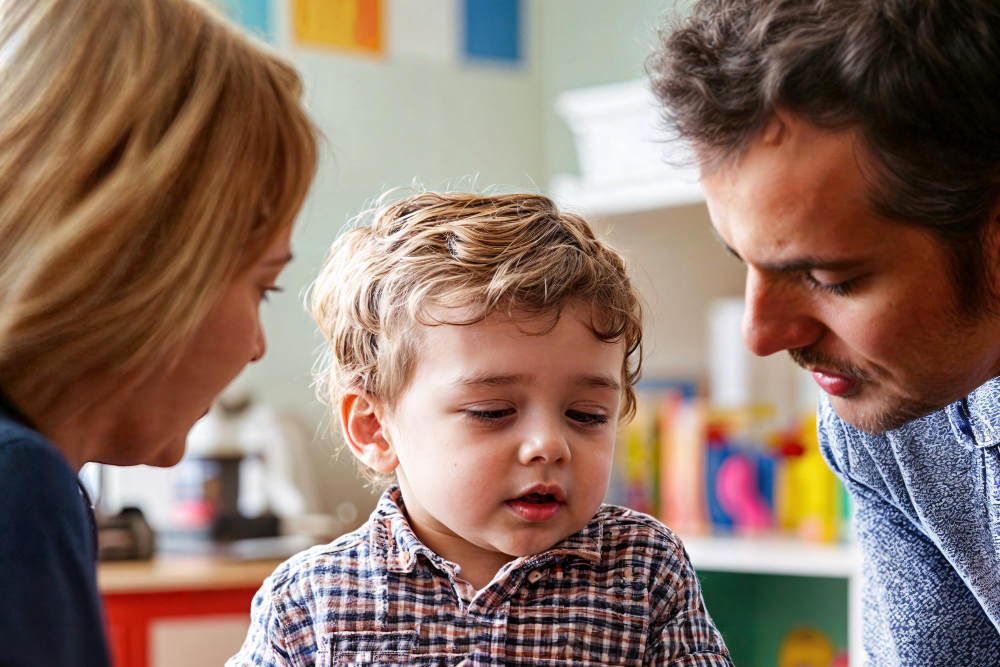
What is ADHD in Children?
ADHD stands for Attention-Deficit/Hyperactivity Disorder. It is a common brain condition in children. Many parents want to know the early signs of ADHD in children. Kids with ADHD may have trouble paying attention. They might also act without thinking or be more active than others. According to the CDC, ADHD often starts before age 12. However, some signs can appear even earlier. Early support can help children do better at home and in school.
Key Early Signs of ADHD in Children
Recognizing ADHD symptoms in kids can be hard. Still, some signs often show up early. For example, you may notice your child:
Sometimes, these signs can be normal in young kids. Yet, if they happen often and in many places, it may be time to look closer. Early signs of ADHD in children are easier to spot when you know what to watch for.
Causes and Risk Factors
While the exact cause of ADHD is not known, experts believe several things may play a role. For instance, genetics can make a child more likely to have ADHD. If a parent or sibling has ADHD, the risk is higher. In addition, problems during pregnancy or birth may increase risk. For example, low birth weight or early birth can be factors. Exposure to tobacco smoke, alcohol, or lead during pregnancy may also raise the risk. However, parenting style does not cause ADHD. Instead, it is a medical condition with many factors.
How ADHD is Diagnosed in Children
Doctors use several steps to diagnose ADHD in children. First, they ask about your child’s behavior at home and school. They may also use checklists or rating scales. In many cases, teachers give helpful feedback too. The doctor will check if the symptoms have lasted at least six months. They also look for signs in more than one place, such as home and school. Sometimes, other health problems can look like ADHD. Therefore, doctors may rule out hearing or learning problems first. Only a trained health professional can diagnose ADHD.
When to Seek Professional Help
Sometimes, parents worry if their child is just active or if it is ADHD. However, if you notice early signs of ADHD in children often, it is wise to talk to your doctor. Especially if these signs cause problems at school, home, or with friends, getting help early can make a big difference. Your doctor may refer you to a child psychologist or specialist. Early support can help your child learn skills and feel better about themselves.
Tips for Parents: Supporting a Child with ADHD
Supporting a child with ADHD can feel hard at times. Yet, there are many ways parents can help. For example:
With patience and support, children with ADHD can thrive. Many parents find that small changes at home help a lot.
Prevention and Lifestyle Guidance
While ADHD cannot always be prevented, some healthy habits may lower risk. For example, during pregnancy, avoid smoking, alcohol, and drugs. Eating a healthy diet and getting regular check-ups can also help. After birth, regular sleep and healthy meals support brain growth. In addition, keeping your home free from lead and other toxins is important. While these steps do not guarantee prevention, they help your child stay healthy overall. Early support and a caring home make a big difference for children with ADHD.