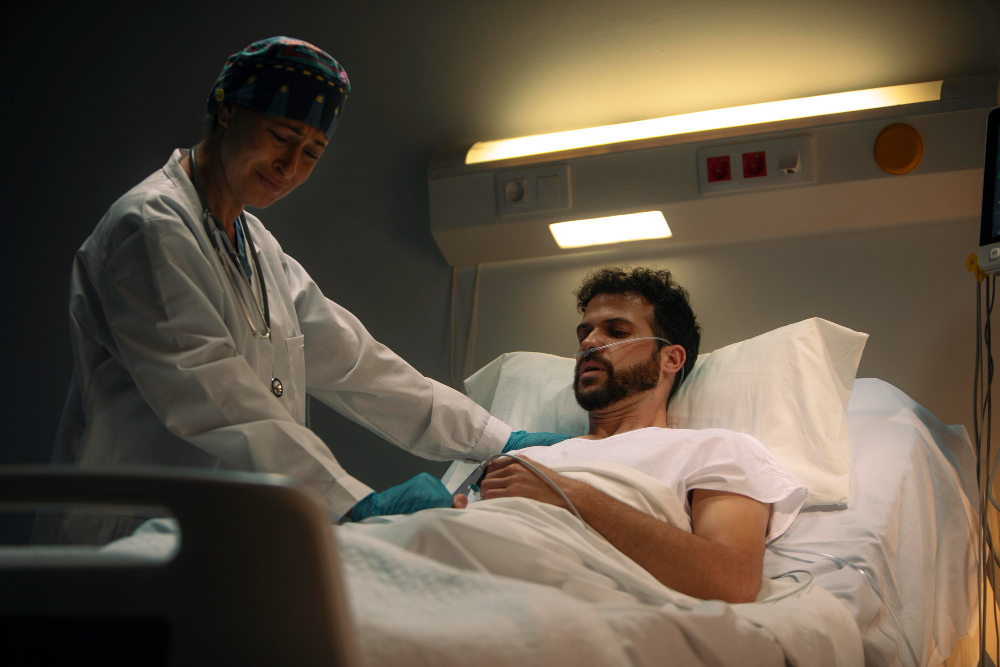
What Is Sepsis?
Sepsis is a serious health problem. It happens when the body reacts strongly to an infection. Because the body’s response is too strong, it can damage organs and tissues. Often, sepsis starts with a simple infection, like a cut or a sore throat. However, if not treated quickly, it can become life-threatening. According to the World Health Organization, sepsis is a leading cause of death worldwide. Early treatment is key to saving lives.
How Does Sepsis Develop from a Simple Infection?
Usually, the body fights infections well. But sometimes, the immune system overreacts. As a result, chemicals meant to fight germs can harm healthy tissues. This can lead to swelling, low blood pressure, and organ failure. For example, a small skin infection can spread quickly. In some cases, even a mild illness like the flu can lead to sepsis. Therefore, it is important to watch for signs of sepsis, especially in children and older adults.
Common Causes of Sepsis in Children
Children can get sepsis from many types of infections. Because their immune systems are still growing, they are at higher risk. The Centers for Disease Control and Prevention lists these common causes:
In addition, babies and young children are more likely to get sepsis because their bodies cannot fight germs as well as adults.
Recognizing the Symptoms of Sepsis
Early signs of sepsis can be hard to spot. Yet, knowing what to look for can save lives. Here are common sepsis symptoms in both adults and children:
For children, watch for these signs of sepsis in children:
If you notice these symptoms, seek medical help right away. Quick action can make a big difference.
How Is Sepsis Diagnosed?
Doctors use several steps to diagnose sepsis. First, they ask about symptoms and recent infections. Then, they check vital signs like heart rate, blood pressure, and temperature. Next, blood tests help find signs of infection and organ problems. Sometimes, doctors order urine tests or X-rays to find the source of infection. Because sepsis can get worse quickly, doctors often start treatment before all test results are ready.
Treatment Options for Sepsis
Treating sepsis needs fast action. Doctors usually give antibiotics right away to fight the infection. In addition, patients may get fluids through a vein to help blood pressure. Sometimes, oxygen or breathing support is needed. In severe cases, patients may need care in an intensive care unit (ICU). Other treatments can include:
Early treatment gives the best chance for recovery.
Preventing Sepsis in Children
There are simple steps to lower the risk of sepsis in kids. For example, keeping up with vaccines helps prevent many infections. Also, teaching children to wash their hands often can stop germs from spreading. Here are more tips for preventing sepsis in kids:
Because early care is so important, always watch for changes in your child’s health.
Lifestyle and Home Care Tips After Sepsis
Recovery from sepsis can take time. Even after leaving the hospital, some people feel weak or tired. To help the body heal, try these home care tips:
With good care, most people recover well after sepsis. However, always let your doctor know if you have concerns during recovery.