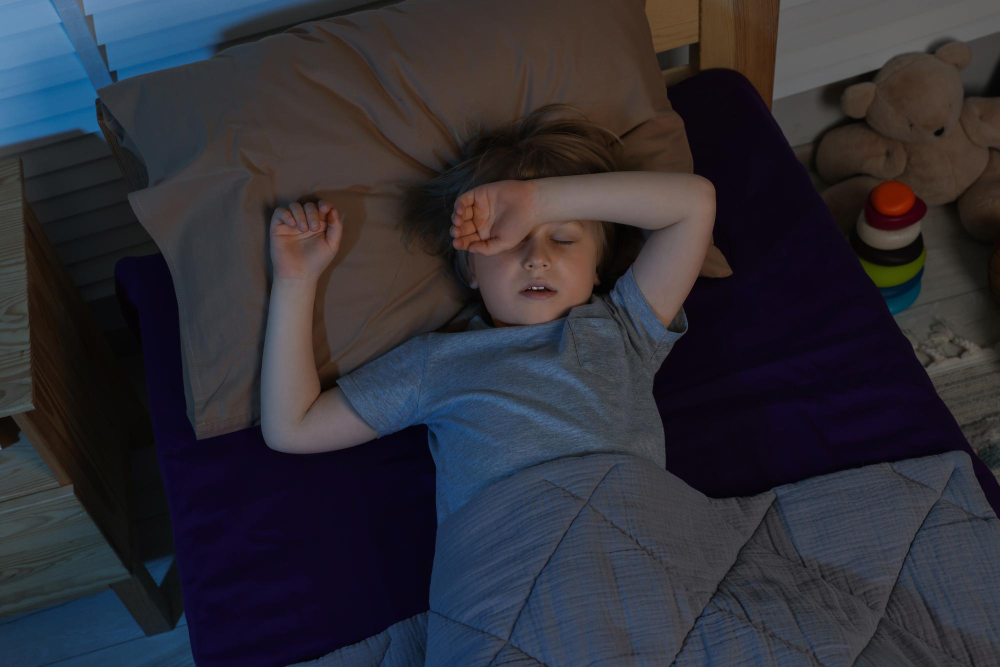
What Is Snoring in Children?
Many parents wonder why children snore at night. Snoring is the sound made when air cannot move freely through the nose or throat during sleep. This noise happens as tissues in the throat vibrate. While snoring is common in adults, it can also affect children. Sometimes, it is harmless. However, frequent snoring may signal a sleep problem. Pediatric sleep health experts say that regular snoring in children should not be ignored. For this reason, understanding child snoring causes is important.
Common Causes of Snoring in Children
Several factors can lead to snoring in children. In many cases, these causes are temporary. However, some children may have ongoing issues. Below are common reasons why children snore at night:
Sometimes, children snore due to sleeping on their backs. In rare cases, a condition called sleep apnea may be the cause. According to the CDC, sleep apnea can affect a child’s health and learning.
Symptoms Associated with Childhood Snoring
Not all snoring is a sign of a serious problem. Still, some symptoms may point to a bigger issue. For example, children with sleep apnea may stop breathing for short times at night. Watch for these signs:
Because these symptoms can affect daily life, it is important to talk to a doctor if you notice them. Early care can improve pediatric sleep health.
How Snoring Is Diagnosed in Children
Doctors use several steps to find out why children snore at night. First, they ask about your child’s sleep habits and health history. Next, they may check your child’s nose, throat, and mouth. Sometimes, a sleep study is needed. During a sleep study, doctors watch your child sleep overnight. This test helps find out if your child has sleep apnea or another problem. In many cases, a simple exam is enough. However, a sleep study gives the clearest answers if symptoms are severe.
Treatment Options for Children Who Snore
Treatment depends on the cause of your child’s snoring. For example, if allergies are the reason, treating them can help. If enlarged tonsils or adenoids are blocking the airway, surgery may be needed. Other treatments include:
For children with sleep apnea, doctors may suggest special masks or devices to help breathing at night. According to pediatric sleep health experts, early treatment can improve sleep and daytime function.
Lifestyle Tips to Reduce Snoring in Children
There are simple steps parents can take at home to help stop child snoring. While not all tips work for every child, many families see improvement. Try these ideas:
Because healthy habits support better sleep, these tips can make a difference. If snoring continues, check with your doctor for more advice.
Prevention Strategies for Childhood Snoring
Although not all cases can be prevented, some steps may lower the risk of snoring. For instance, treating allergies early can help keep airways clear. Encourage children to eat healthy foods and stay active. Avoid exposing your child to cigarette smoke, as it can irritate the airways. Make sure your child gets enough sleep each night. With these prevention strategies, you can support your child’s pediatric sleep health and help them sleep soundly.